
Buy Facebook Reactions
⇝ All Seven, Any MixBuy Facebook reactions from INSTABOOST and pick the mix yourself: likes, hearts, laughs, or wows. All we need is the post link.

Small Icons, Strong Signal
60-Day Free Refill
Seven Reactions to Mix
Split Across Your Posts
Is It Safe to Buy Facebook Reactions?
With INSTABOOST, you pick the reaction mix yourself, so it fits the post's tone and nothing on your account changes.

Quick Start
Your order starts right after payment. You'll see the mix of reactions you chose only on the posts you included in your order.
60-Day Refill
Every order comes with a free 60-day refill, so you never pay twice for the same reactions and can put your time into the next post.
A Mix That Fits
Think about how your readers would react. Hearts on a family photo or laughs on a meme fit the responses you'd expect from them.
Link Only
We never ask for your password or log in to your account. All we need is a link to the public post, and your settings stay as they are.
 Client:
Why order reactions from INSTABOOST?
 Us:
Because you get to choose not just how many reactions a post gets, but which ones show up. All seven are available, including 😢 Sad and 😡 Angry when the subject calls for them. One of our four ready-made mixes will suit most posts. For anything else, you can decide how many of each icon you want. A tire sale and a funeral announcement don't call for the same response. Neither do a photo of the new shop dog (❤️ Love), a look at the finished renovation (😮 Wow), or a thank-you after a hard month (🥰 Care).
Think about what people come to your page for. Hearts + wow fits a café's photo of a dessert that customers wish they could taste. For a humor page, the Funny mix pairs 😆 Haha with 😮 Wow, while 🥰 Care and ❤️ Love make sense for a charity. A dentist or lawyer might prefer the Natural mix for a more understated response. A clothing shop can keep it simple with Only hearts when the question is whether customers love the outfit.
All you need is the post link and an idea of which reactions you'd like to see there. You can pay by card, Apple Pay, Google Pay, or crypto. The bank handles card payments, so we never see your card details. We handle thousands of orders every month, and Facebook reactions are a familiar part of that work. You can see the result on the post itself: the mix you chose, right under your content.
Buy Facebook Reactions for Your Posts
More Tools for Facebook Growth:
 Buy Facebook Views
Give your videos a view count that makes the next person press play.
Order Video Views ⇝ Buy Facebook Likes
Add a simple thumbs-up count when a post just needs a bigger number.
See Facebook Likes ⇝
 Grow Your Facebook Follower Count
Grow the follower count on your page so it looks worth following.
Add Page Followers ⇝ Buy Facebook Comments
Turn a liked post into a talked-about one with comments.
Get Facebook Comments ⇝ Buy Facebook Shares
A touching story gets sent on to family, so give it shares beside its hearts.
Order Post Shares ⇝

Customers Love The Results













 Facebook
 Our Blog

Warm Up Every Other Network You Use
A heart or a laugh tells visitors a post landed. Carry that same feeling over to every other profile you run.

If you also run a Telegram channel, its posts can show the same kind of emoji response your Facebook audience leaves. Order Telegram reactions so every update carries a row of hearts and fire, and new visitors see a channel that people respond to from the moment they open it.

An Instagram like is a heart, the same gesture as ❤️ Love on Facebook. Buy Instagram likes for the photos you post there, so a customer who taps a picture after seeing your Facebook post finds hearts under it as well.

On X (formerly Twitter), the like count under a post is a public show of support that everyone can see. Get likes on X to give your opinions and announcements visible backing, so curious readers take your posts seriously and click through to see who you are and what else you share.
Visitors notice more than the reactions under a Telegram update. Your subscriber count and post views matter just as much. Explore our Telegram services to show newcomers that your audience is growing and people keep reading, two good reasons to stick around.
Facebook and Instagram belong to the same company, and many people follow a brand on both. Add Instagram engagement so your Instagram posts get the same warm response your Facebook posts are getting, and the two profiles look like they belong to one popular brand rather than two different ones.

Facebook reactions are only one of the ways to make your content look noticed. Head to our home page to see everything we offer for each social network, from followers and likes to views and comments, and choose the next step for the profile that needs it most.
Your Questions About Facebook Reactions, Answered
Results
7 questionsThey help when the subject gives people a reason to feel sad or angry. Pages that cover news, local issues, or causes use these reactions most because they often share difficult news. A 😢 Sad reaction shows sympathy for a lost pet or a neighborhood shop that's closing. On a warning about a scam, a price hike, or an unfair rule, 😡 Angry suggests readers are on your side. Under good news, either icon could suggest they're upset with you instead. That's why we leave both out of our ready-made mixes.
The simple rule is this: order Sad and Angry for your own posts, and only where that is the honest reaction your audience would have. Bad news, a heartfelt farewell, a story about something unfair: on posts like these, a few sad or angry faces make the row of icons look genuine. It also helps to keep them as the smaller part of the mix, next to Care and Like. Many readers leave a heart as a sign of support rather than a crying face, even on sad news. A post about a local issue might get mostly Angry with some Care and Like mixed in. A memorial post might get mostly Care and Like with a little Sad. If the post is about someone you know, read the finished row of icons the way that person or their family would. Leave out anything that could feel careless to them.
No. INSTABOOST offers reactions for posts, not for comments, Stories, or live videos. If there's a particular reply you want people to notice, you'll find comment likes on our Facebook likes page. They're useful when you've answered a question your customers ask every week and want that answer to stand out from the rest of the thread.
There is a practical reason too. Reactions on a Story go privately to the person who posted it, so no visitor would ever see a count. During a live broadcast, reactions float across the screen for a moment and then pass. A post is where the icons and the total stay in plain view.
If you want words under a post as well as faces, add Facebook Comments to the same post. Your page can react too: when a customer posts a photo of your product in the comments, a ❤️ Love from the page under it is seen by everyone who opens the thread, and the customer sees that you noticed.
Yes: everyone who can see your post sees the reaction icons and the total under it, whether they follow you or found the post through a friend or a share. The reactions we deliver join the same row as the ones your friends and followers leave, so they become part of how the post looks to every visitor. That is the whole point: the new reactions belong to the post, not to a separate count. In the feed, the icons and the total sit under the post before anyone opens it, so even people scrolling past see them.
Two settings decide how much of this people actually see. First, the post's audience has to be Public, and if it's on a page, the page can't be limited by country or age, or reactions can't reach it. Keep it that way while the order runs and for the two months that follow. If you switch the post to Friends only during delivery, the order pauses: what has arrived stays with you, and once it's public again we finish the order. While it isn't public, drops aren't covered. Second, Facebook lets you hide reaction counts on your own posts. If that option is turned on, visitors see the icons but not the total, which takes away a big part of what you ordered. The switch is under Reaction preferences in your Facebook settings. It has one setting for your own posts and a separate one for the posts you see from others. Keep the count on your own posts visible, so every visitor sees the number as well as the icons.
Yes: reactions land under a Facebook video or Reel the same way they do under a photo, because on Facebook a video is a post like any other. Videos usually start playing in the feed with the sound off, and many people scroll past before they ever turn it on. The row of icons under the clip hints at what they are about to see before they hear a word: a laugh, a surprise, or something sweet. A muted clip of a toddler meeting the family dog says little on its own, but with 😆 and ❤️ under it, a viewer knows the sound is worth turning on.
For a video, reactions work best next to views. The icons say how the clip landed, and the view count says it is being watched, which gives those icons an audience. A funny clip with a row of Haha under it is the kind people forward to a friend, and a healthy view count beside it shows that plenty of people have already pressed play. Order the two for the same video, and pick the faces by what the clip does: a prank or a blooper takes Haha, a time-lapse of a long build takes Wow, a rescue story takes Care. One practical point: upload the clip straight to Facebook rather than posting a link to another site. A video uploaded to Facebook plays right in the feed, with the reactions just under it.
Reactions help an event post, because people judge an event partly by how others respond to it. Someone deciding whether to go to a concert or a talk looks under the poster for a mood rather than a number: is anyone looking forward to it? A row of hearts and surprised faces answers that.
The choice of reaction matters here. ❤️ Love on an event announcement suggests excitement and people planning to come. 🥰 Care suits an event for a cause, such as a charity run or a fundraiser dinner, where people want to show support. One practical note: a Facebook Event page has Going and Interested buttons rather than reactions, so put the reactions on the post that announces it.
Consider pairing reactions with Facebook Shares on your event announcement. Hearts suggest people are looking forward to the event, while the share count suggests they're passing the news along to friends and neighbors. Together, they make it look like an event people are talking about, not just a date on the calendar.
Yes, if the ad promotes an existing public post on your page. In that case, the link for the order belongs to the original post, and the ad shows that same post. People see the same reaction icons whether they visit your page or come across the sponsored post in their feed. Keep the audience set to Public for as long as the ad runs. If you promote a copy instead, its reaction count starts at zero rather than carrying over the original's reactions.
An ad puts your post in front of strangers, and strangers react more bluntly than followers do: an ad can pick up a 😆 Haha or a 😡 Angry from someone just passing by. A warm mix chosen in advance, such as the Natural mix or Hearts + wow, fills the three icons those first viewers see, so one stray laugh doesn't lead the row.
Pick the mix by what the ad offers. For a giveaway, Haha and Love keep the tone light; for a clinic or a repair shop, a row led by Like comes across as dependable. If the campaign runs for weeks, add a second order to the post later.
People use “react boost” to mean adding reactions to a Facebook post. Here, you order reactions for the post you choose. The icons you pick appear under it and count toward its total.
Other boosts change other numbers, and each has its own order. Followers raise the count under your page's name. Likes add plain thumbs-ups when the faces don't matter. Comments put words under the post, and Shares lift the share count on the same line. A react boost is the one where you choose the faces as well as the number.
Facebook's own Boost button does something different. It turns an existing post into an ad for an audience you choose on Facebook. What buyers call a react boost doesn't place the post anywhere else. All it takes is the link to the original, and that's where the reactions appear. You can still promote that same post as an ad.
A react boost works on any public post you can link to: an update on your page, a post on your personal profile, or one you published in a public group, as long as anyone can open it. Photos, videos, Reels, and plain text updates all qualify.
A react boost is simply the reactions you pick, added to the post you choose.
Ordering
4 questionsYou can take a ready-made mix or build your own, choosing the reactions and setting how many of each you want. If you are not sure, go with the Natural mix, which blends five everyday reactions the way a typical audience responds. Building your own makes sense when a post has a clear mood. Be most careful with Haha. Under a post about someone's achievement or a serious offer, a laughing face can come across as mockery rather than fun.
On a product photo, ❤️ Love suggests people want what they see, while 😮 Wow adds a note of surprise.
Pair 🥰 Care with a few 👍 Like reactions for a warm but understated thank-you to customers or staff. Thumbs-ups and a little 😮 Wow suggest readers found a tip or how-to useful.
On a post introducing a new team member, thumbs-ups and a few hearts make it feel like everyone is joining in the welcome.
Choose reactions when you want the icons to show a mood, and likes when you need a plain total. Likes are the quicker choice: one icon, one number, no mix to plan. Reactions take a minute longer, because you decide which faces lead the row, and that choice is the whole reason to order them.
If all you need is a bigger number, Facebook Likes are the simpler option, and they suit everyday posts well. Reactions are the better pick when you want the icons to tell a story, such as hearts on a photo or laughs on a joke.
For posts that shape how people see your brand, reactions usually say more. An anniversary post with a row of hearts comes across as loyalty from people who have been with you for years.
With thumbs-ups alone, the same anniversary post reads more like a routine update. A useful rule for most pages is to use plain likes for everyday posts and save reactions for launches, announcements, and personal milestones.
Reactions can go on any public post, no matter how old, from this week's update to an album you posted two summers ago. The only thing we need is its link. Order for the original you plan to keep, since a reposted copy starts its count from zero.
On an older post, let the new faces follow the old ones. If the post was greeted with hearts when it went up, add more hearts rather than laughs, so the row still tells the story of how people took it at the time. A wedding photo from last June with a row of Love should get more Love, not a sudden wave of Wow. The same goes for a good post that went out at the wrong time and was missed by most of your audience: give it the reactions it would have collected if people had seen it, in the same mood.
A quick check before you order: tap the total under the post to see the count for each face. Then order the same faces in roughly the same proportions, and the row will look as it did, only fuller.
Think about what your regular readers would tap. Here's where each of these reactions makes sense:
❤️ Love works for posts that feel personal or simply look beautiful, from fashion and lifestyle photos to stories about your family.
😆 Haha fits jokes, memes, and funny clips, especially on entertainment pages or posts from brands with a casual voice.
😮 Wow fits posts that give readers a reason to do a double take: a big result, a transformation, a product launch, or unexpected news.
😢 Sad lets readers show sympathy for a loss, a canceled plan, or a cause that needs help without having to put it into words.
😡 Angry suits warnings and complaints, like a fake page copying your brand or a supplier who broke a promise. Pair it with a clear next step for readers.
When the reactions match the post, the whole thing looks believable. Visitors expect to see laughs under a joke and hearts under a wedding photo, and that is exactly what they find. When the mood and the icons line up, people take the reaction count at face value and turn their attention to the post itself. A mismatch has the opposite effect, because a laughing face under a serious post comes across as if nobody got past the photo.
Safety
1 questionA ban isn't how this ends: at most, Facebook removes some of the reactions, and the free refill covers that. Only the number under the post is affected; the post itself, its caption, its comments, and your page stay exactly as they were.
Nothing on the post says any of the reactions were ordered. They sit in the same list as the ones your followers leave, and your own account is never used to post, like, or follow anything. The only change on your page is the fuller row under the post you linked.
If the count drops within 60 days of delivery, we'll replace the missing reactions at no charge. If you notice a dip before we do, just send us the link to the post. Leave the total visible during that time so we can check how many reactions are missing and put them back.
How it works
1 questionAll seven: 👍 Like, ❤️ Love, 🥰 Care, 😆 Haha, 😮 Wow, 😢 Sad, and 😡 Angry. You can stick with one icon if it says everything you want it to, or put together a mix that suits the tone of your post.
Reactions go on the post as a whole. If a post holds several photos, each photo inside it has its own separate count, so paste the link to the whole post rather than to one picture. The same goes for a post you shared: your shared copy collects its own reactions, apart from the original. Pick the version you want people to see.
👍 Like is still the reaction people use most. A few thumbs-ups alongside the other icons make for a familiar mix.
For the total, look at similar posts on your page. A joke tends to draw more reactions than a notice about new hours, so use another joke as your point of comparison.
Quality
1 questionReactions look natural when the mix fits the mood of the post. Audiences rarely react with only one emotion, so a post with several icons looks more believable than one with a single type in large numbers. Pick a main reaction that fits the mood and keep the others smaller. It also helps to leave some of your posts without an order. Then the page shows a natural range, from busy posts to quieter ones.
Consider what your regular readers are used to seeing. They might expect hearts on a florist's photos or laughing faces on a comedy page's clips. If a florist whose posts usually get hearts suddenly gets a row of angry faces, readers will wonder why. Save a change like that for a post that warrants it.
Last, read the row the way a visitor would: three icons and a total, all at once. If those three faces say the same thing as the caption, you've got the mix right; if one of them argues with it, adjust the mix for your next post. For Facebook as a whole, rather than your post, our team's daily notes are on Social Media Weather.

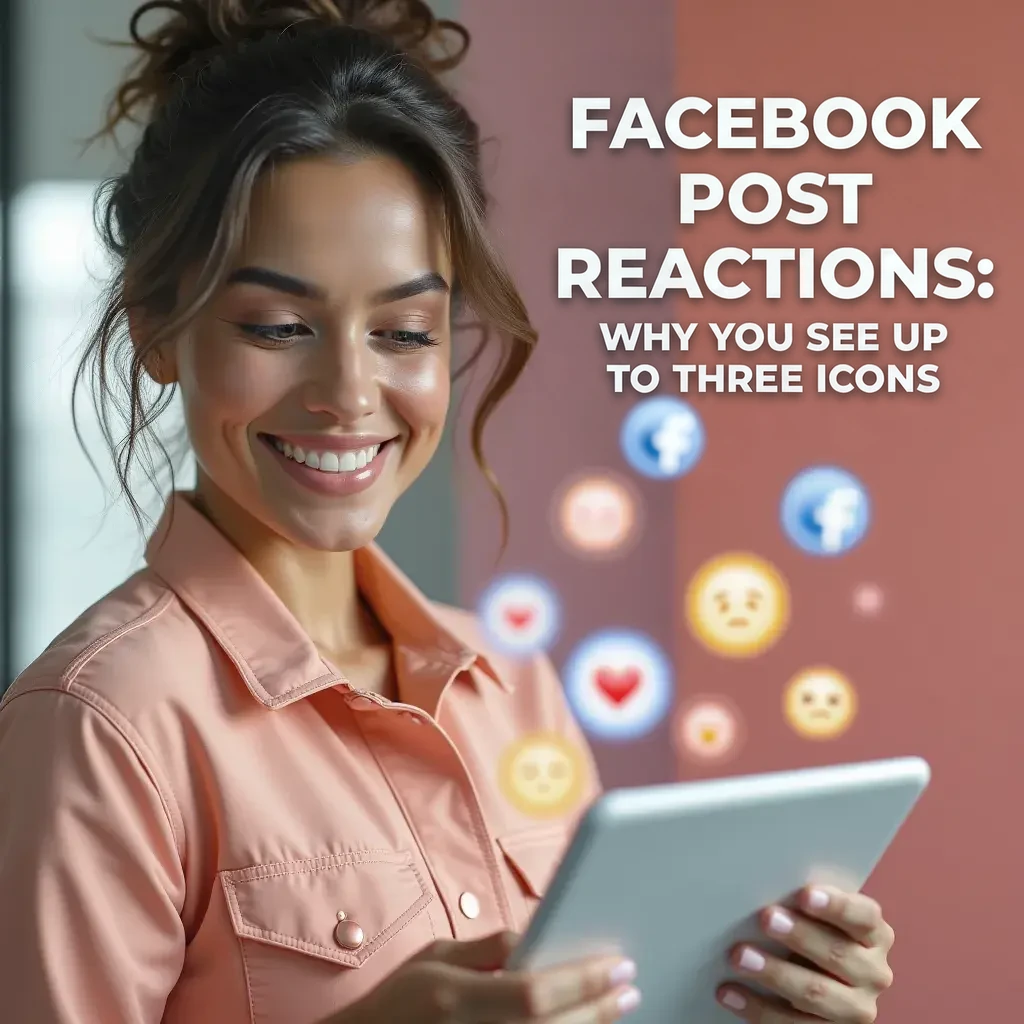
Facebook Post Reactions: Why You See Up to Three Icons
Three icons together tell a short story. A thumbs-up, a heart, and a laughing face say that people enjoyed the post. A heart on its own next to a big total says something narrower. A reaction that only a few people used will not appear in the row at all. That is why the mix matters: the two or three leading reactions set the tone for the whole post.
On a phone the row is small, and the first icon does most of the talking: it's the face people catch even when they skip the number, so it's worth deciding which one that should be. If you want words under the icons as well, you can also buy Facebook comments for the same post.
What Each Facebook Reaction Means and When to Use It
Recurring posts are easier. Holiday greetings, a weekly team photo, or a monthly roundup can keep the same leading face each time, so regular readers see a familiar pattern. For a video, it also pays to consider purchasing Facebook views, so the reactions sit alongside a healthy view count.
A few kinds of posts call for restraint. A reply to customer feedback looks best with a modest, calm row of icons. An apology for a delay or an outage calls for mostly Like with a little Care. A post that only shares a link to your blog or website does well with mostly Like, since visitors have not read the article yet. On posts like these, a loud row of hearts and laughs can look out of place.
Why Do Facebook Heart Reactions Catch the Eye First?
Hearts work even better in good company. On a behind-the-scenes photo of your team, Love with some Haha says people found it both charming and fun. If you also want a bigger total, you can purchase Facebook likes for the same post, so the thumbs-ups carry the number and the hearts set the tone. Whichever way you use them, love reactions are a simple way to tell visitors that your post struck a chord.
Do Reactions Matter on Facebook When People Size Up a Page?
The reactions your regular readers leave on their own are worth reading, too. A post that collects Care from them has touched something, and one that collects Wow has surprised them. Over a few months, those faces tell you which kinds of posts your audience answers warmly and which ones it simply scrolls past, and that makes them a useful guide to what you post next. A page whose important posts carry warm rows, and whose owner pays attention to them, is the kind of page people choose to follow and buy from.
Which Reactions Fit Your Post? Let's Choose!
 Final Thoughts
The icons under your post give visitors a sense of the expressions on readers' faces when they saw it. Take another look at what you're about to share. Would you want someone seeing it for the first time to respond with a laugh, a heart, a gasp, or a hug? Choose those reactions for your order so the icons reflect what you meant.
Choose a ready-made mix or set your own amounts at the top of this page, paste the link to your post, and pay. To spread one package over several posts, add a link for each of them. The link can come from the post's Share menu in the app or from the address bar of your browser. The order starts right after payment, and the new faces join the row under your post while it runs. You don't need to stay online, approve anything, or change a setting on your page in the meantime.
Have a question? You're welcome to ask us before you order or after your reactions arrive. Our support team can look at the post with you, suggest which icons should lead, or help you find the right Facebook link. Some stories make people laugh, others bring them to tears, and plenty fall somewhere in between. INSTABOOST can help you choose reactions that fit the story you're telling and the way you'd like readers to respond.